<?xml version="1.0" encoding="UTF-8"?>
<!--Generated by Squarespace V5 Site Server v5.13.594-SNAPSHOT-1 (http://www.squarespace.com) on Tue, 09 Jun 2026 03:05:15 GMT--><rdf:RDF xmlns:rdf="http://www.w3.org/1999/02/22-rdf-syntax-ns#" xmlns:rss="http://purl.org/rss/1.0/" xmlns:dc="http://purl.org/dc/elements/1.1/" xmlns:sy="http://purl.org/rss/1.0/modules/syndication/" xmlns:admin="http://webns.net/mvcb/" xmlns:content="http://purl.org/rss/1.0/modules/content/" xmlns:cc="http://web.resource.org/cc/"><rss:channel rdf:about="http://kristoffererickson.com/blog/"><rss:title>Kristoffer Erickson's Blog</rss:title><rss:link>http://kristoffererickson.com/blog/</rss:link><rss:description></rss:description><dc:language>en-US</dc:language><dc:date>2026-06-09T03:05:15Z</dc:date><admin:generatorAgent rdf:resource="http://www.squarespace.com/">Squarespace V5 Site Server v5.13.594-SNAPSHOT-1 (http://www.squarespace.com)</admin:generatorAgent><rss:items><rdf:Seq><rdf:li rdf:resource="http://kristoffererickson.com/blog/2011/3/31/10-tips-for-traveling-with-an-infant.html"/><rdf:li rdf:resource="http://kristoffererickson.com/blog/2010/6/30/pakistan-winter-sport-the-waiting-game-this-landslide-isnt-g.html"/><rdf:li rdf:resource="http://kristoffererickson.com/blog/2010/6/9/pakistan-winter-sport-more-landslides-this-time-on-us.html"/><rdf:li rdf:resource="http://kristoffererickson.com/blog/2010/5/24/pakistan-winter-sport-shimshal-live-and-climbing-school.html"/><rdf:li rdf:resource="http://kristoffererickson.com/blog/2010/5/7/pakistan-winter-sport-2-of-6.html"/><rdf:li rdf:resource="http://kristoffererickson.com/blog/2010/4/20/pakistan-winter-sport-1-of-6.html"/><rdf:li rdf:resource="http://kristoffererickson.com/blog/2010/1/14/departure-shimshal-valley-pakistan.html"/><rdf:li rdf:resource="http://kristoffererickson.com/blog/2009/11/14/skiing-in-the-far-far-west-of-nepal.html"/><rdf:li rdf:resource="http://kristoffererickson.com/blog/2009/9/22/saipal-nepal.html"/><rdf:li rdf:resource="http://kristoffererickson.com/blog/2009/9/20/mt-rainier-and-adams-link-ups.html"/></rdf:Seq></rss:items></rss:channel><rss:item rdf:about="http://kristoffererickson.com/blog/2011/3/31/10-tips-for-traveling-with-an-infant.html"><rss:title>10 tips for Traveling with an Infant</rss:title><rss:link>http://kristoffererickson.com/blog/2011/3/31/10-tips-for-traveling-with-an-infant.html</rss:link><dc:creator>Kristoffer Erickson</dc:creator><dc:date>2011-03-31T16:24:34Z</dc:date><dc:subject></dc:subject><content:encoded><![CDATA[<p>Ten tips for traveling with an infant or toddler in the developing world.</p>
<p>&nbsp;</p>
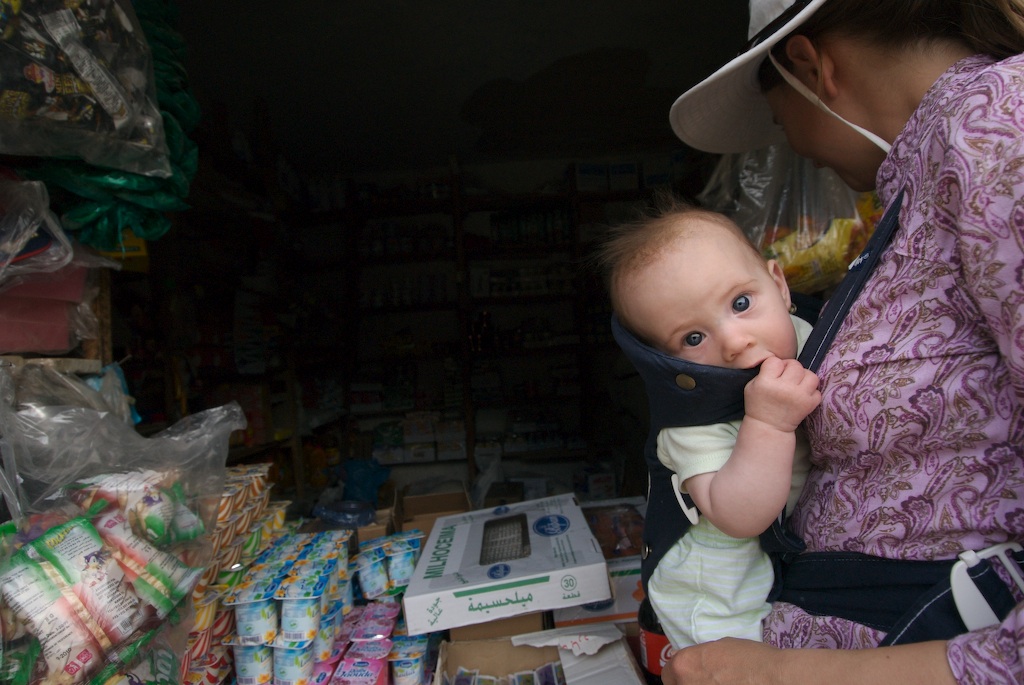
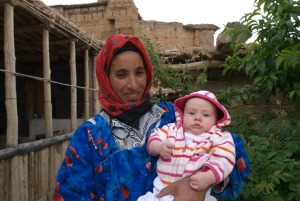
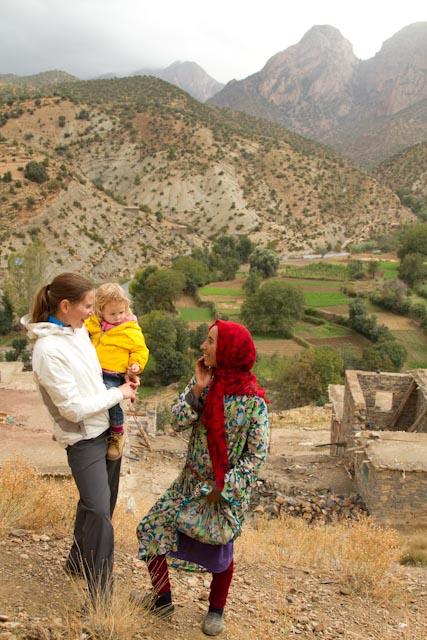
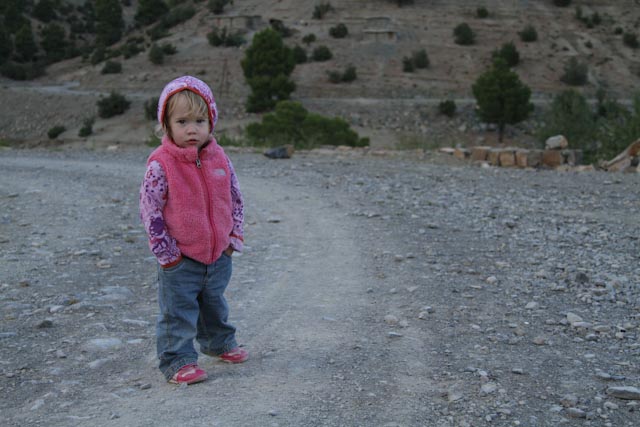
<p>I am someone that needs adventure on a continual basis and I didn&rsquo;t want having children put a clamp on my freedom to roam. When my wife, Cloe, and I decided to have a child, we accepted the fact that there would be changes, but we wanted to continue to experience the world and its unique locations. From the time our daughter, Noor Amina now 24 months, was three months old we have been traveling and spending long periods of time in the developing world as a family, mostly Morocco where Cloe is working on rural community development projects, <a href="http://www.igherm.wordpress.com">www.igherm.wordpress.com</a>.&nbsp; Genevieve Reid, our daughter&rsquo;s pediatrician and founder of Global Midwife Education Foundation (<a href="http://www.midwifeeducation.org">www.midwifeeducation.org</a>), has continually given us sound advice prior to all of our travels with Noor. Through our collective experiences we compiled the following tips. We hope they help and encourage you. Travel in the developing world is something you can still do with your child. It is time to pack your bags.</p>
<p>&nbsp;<span class="full-image-inline ssNonEditable"><span><img style="width: 300px;" src="http://kristoffererickson.com/storage/2009_05-6_Erickson_Morocco 2410.jpg?__SQUARESPACE_CACHEVERSION=1301588892130" alt="" /></span></span></p>
<p class="ListParagraph">1)&nbsp;&nbsp; Before deciding where you want to go make sure to avoid any area where Malaria is common. As a general rule if your child is under the age of five Malaria is something you need to avoid at all costs.&nbsp; A quick visit to the Center for Disease Control&rsquo;s (<a href="http://www.cdc.gov">www.cdc.gov</a>) website and you will be up to date on the current areas of concern.&nbsp; Also when choosing the itinerary think about how your connection will affect your child and you. Meals and sleep are incredibly simple ways to keep the wheels from falling off and the difference in a ticket that is a little more expensive but with far less stops could mean a great deal to the travel experience. If at all possible try to make your itinerary with the least number of transitions. These all increase the number of hours you will be traveling which only add difficulty to your child&rsquo;s adjustment.</p>
<p class="ListParagraph">2)&nbsp;&nbsp; When packing for the trip, learn to do more with less. This rule applies to just about every item associated with your child. Clothes can be wore more than one day. One good pair of shoes is far better than several that match different outfits. Find a few key toys that can provide multiple forms of interaction such as colors and shapes integrated into puzzles. Be prepared with everything you may need in a small daypack that is ready to access. Make sure you have multiple choices of snacks not only for your child but you. Airline service isn&rsquo;t worth much these days so don&rsquo;t count on them to provide you and your child with what you need. Even milk is often not available so think about a small zip lock bag of powdered milk to reduce weight and bulk. Also consider this may be your child&rsquo;s first time on an airplane so Anti Nausea meds are a good idea. Bring favorite toys for comfort and something new for a surprise. Depending on the length of the travel two changes of clothes might be necessary for your child. Also bring plenty of diapers and wipes along with a few extra plastic grocery bags to contain any messy clothes or items you many not want to dispose of during the flight.</p>
<p class="ListParagraph">3)&nbsp;&nbsp; Traveling with a baby that is still breastfeeding is much easier than you may think.&nbsp; There is no need to sterilize bottles or sippy cups, or pack formula or milk. Breastfeeding also dramatically reduces the risk of infection. If your child is no longer breastfeeding make sure you bring formula from the States, as most developing countries will not have high quality products to choose from. If your child is old enough to eat solid foods make sure all fruits and vegetables are washed in a bleach solution or thoroughly cleaned and peeled.&nbsp; All well cooked meats, breads and grains are generally safe.</p>
<p class="ListParagraph"><span class="full-image-block ssNonEditable"><span><img src="http://kristoffererickson.com/storage/2009_05-6_Erickson_Morocco 144.jpg?__SQUARESPACE_CACHEVERSION=1301589182521" alt="" /></span></span></p>
<p class="ListParagraph">4)&nbsp;&nbsp; Remember that babies are everywhere so most items are available in any major city of the world and it makes a great adventure wandering through the streets and local shops to find them.&nbsp; Items like sunscreen, formula, car seats, infant Tylenol and Ibuprofen, and quality shoes should always be brought from home. However, diapers, clothes, pack-n-plays, and even strollers can often be found easily and at a low cost.</p>
<p class="ListParagraph">5)&nbsp;&nbsp; When you reach your final destination make sure you give your child time to adjust to the new time zone. I find that spending more time in one or two places rather than traveling to ten will make the experience easier for all. When traveling to the Americas this is less of a concern since the time zones are similar to those of the US. When traveling to Africa, Asia or Europe plan on at least two to three days where the sleep schedule will be off. These days are not a complete loss; just maintain flexibility to allow for odd napping schedules. A good general rule would be a half-day of adjustment for every time zone you cross.&nbsp; As an example, when traveling to Morocco from Montana we pass though six time zones. We usually spend three days in our arrival city of Marrakech to transition and to also purchase supplies that we need before moving on to our final destination of a remote village in the Central High Atlas Mountains.</p>
<p class="ListParagraph">6)&nbsp;&nbsp; If your plans include travel where you will have access to a rental car or will be spending time in vehicles like 4x4&rsquo;s, make sure you bring a car seat. All airlines allow you to check this item for free and they are not an easy or inexpensive item to find in the developing world. Most illnesses can be handled with prevention, but trauma from a car accident could mean life and death.</p>
<p class="ListParagraph">7)&nbsp;&nbsp; Make sure you have a good system for both parents to carry the child. Often a stroller will not work in the developing world because the terrain is too rough so think about investing in a backpack that allows you and your partner to both comfortably carry your child plus all the items he or she will need for the outing you have planned. Depending on the child&rsquo;s age and comforts some prefer more of a simple wrap which is significantly lighter. We&rsquo;ve found the modern child carrier backpack to be an essential item for allowing the family to get off the beaten path. We travel with the Sherpani Rumba backpack that has an adjustable back panel to accommodate tall and short parents.</p>
<p class="ListParagraph"><span class="full-image-block ssNonEditable"><span><img style="width: 300px;" src="http://kristoffererickson.com/storage/IMG_6388.jpg?__SQUARESPACE_CACHEVERSION=1301589037001" alt="" /></span></span></p>
<p class="ListParagraph">8)&nbsp;&nbsp; Sippy cups are an important part of keeping your child hydrated and you clean during long travel.&nbsp; Even in cool climates, bacteria can quickly grow in the cup&rsquo;s small crevasses and gaskets causing diarrhea or an upset stomach. When on the road bring one sippy that is designated for water and two more for milk and/or juice.&nbsp; When you reach your final destination wash the cups with local water and soap then soak all of the individual parts of the cups in a Tupperware or bowl with a solution of bleach water.&nbsp; Throughout the day wash and rotate the cups in the bleach solution never reusing a cup that has had milk or juice in it. We travel with a MSR Miox water treatment system, which creates a hydrochloric acid solution to purify the water. The device is lightweight and portable using only rock salt and CR123 batteries, which can be found at most generic camera shops throughout the developing worls. You can quickly mix up a large batch of clean water to wash fruits and vegetables, eating utensils, or just about anything that needs a cleaning.</p>
<p class="ListParagraph">9)&nbsp;&nbsp; Serious illness in young children from travel is very rare but think ahead and identify where you can find care if you did need it. Fortunately most cities in the world will have fully trained medical professionals that speak some English. Blue Cross Blue Shield has a comprehensive internet listing of private clinics throughout the world. Also think about Global Rescue insurance incase you do have a major problem that requires evacuation or that would be better handled in a first world nation. A comprehensive Medical kit as well as the knowledge to use it will provide you with more confidence to take on the worst of the situations. Before you make any plans to travel first consult your pediatrician regarding specific concerns in the region and check with the Center for Disease Control on vaccinations or special concerns like Malaria. If your infant or toddler under two years of age does develop diarrhea medicine is often not the best solution. Simple oral rehydration solutions, that you can make from common kitchen ingredients or find in any pharmacy in the world, are your best defense against dehydration due to diarrhea or vomiting. Make sure you know the correct dosage for Ibuprofen or Tylenol and any Antibiotics you plan to travel with.</p>
<p class="ListParagraph">10) &nbsp;Last but not least remember to pack a lot of patience. It&rsquo;s not easy traveling in the developing world as an adult and the difficulties are guaranteed to be greater with an infant or toddler.&nbsp; But, remember you are there to have fun and provide an enriching experience to yourself and your child. We have found that traveling as a family opens new doors that previously never appeared. People around the world love children and understand the difficulties of traveling with them so don&rsquo;t be surprised if people want to help with your child or luggage.</p>
<p class="ListParagraph"><span class="full-image-block ssNonEditable"><span><img style="width: 300px;" src="http://kristoffererickson.com/storage/IMG_6628.jpg?__SQUARESPACE_CACHEVERSION=1301589096563" alt="" /></span></span></p><p><br/><br/><br/><br/><br/><br/><br/><br/><br/><br/><br/><br/><br/><br/><br/><br/><br/><br/><br/><br/><br/><br/><br/><br/><br/><br/><br/><br/><br/><br/><br/><br/><br/><br/><br/><br/><br/><br/></p>]]></content:encoded></rss:item><rss:item rdf:about="http://kristoffererickson.com/blog/2010/6/30/pakistan-winter-sport-the-waiting-game-this-landslide-isnt-g.html"><rss:title>Pakistan Winter Sport - The Waiting Game, this landslide isn't going away</rss:title><rss:link>http://kristoffererickson.com/blog/2010/6/30/pakistan-winter-sport-the-waiting-game-this-landslide-isnt-g.html</rss:link><dc:creator>Kristoffer Erickson</dc:creator><dc:date>2010-06-30T22:00:29Z</dc:date><dc:subject></dc:subject><content:encoded><![CDATA[<p>&nbsp;</p>
<p>I've been traveling on the road since the beginning of 2010 and just recently returned home. I can't tell you how nice it is to be home and sleeping in my own bed. Throughout my constant travel with recent adventures on three different continents, all creating some very intense situations, the landslide in Pakistan earlier this winter is&nbsp;one of those epic moments encountered along the way and is still effecting thousands of people.&nbsp;</p>
<p>This is the last of the videos that we produced from the expedition and it revisits the landslide that is still a major problem in the Hunza Region of Pakistan. Just a few weeks ago the water breeched the top of the debris and is slowly eroding the earthen dam away. The Karakoram Highway will be blocked for was has been months and possibly could be years, derailing massive efforts by the Chinese to develop this highway with large scale infrastructure improvements currently underway. For more current information on this epic disaster please log onto Dave's Blog and check out the current images of the new earthen dam. There is additional information available at the Pamir Times' website with most days providing coverage of the disaster and it's effects on the thousands of residents in this area.</p>
<p>http://daveslandslideblog.blogspot.com/</p>
<p>http://pamirtimes.net/2010/06/30/attabad-disaster-a-documentary-by-nisar-ahmed/</p>
<p>&nbsp;</p>
<p>Kris</p>
<p>&nbsp;</p>
<p><object width="400" height="225"><param name="allowfullscreen" value="true" /><param name="allowscriptaccess" value="always" /><param name="movie" value="http://vimeo.com/moogaloop.swf?clip_id=10312546&amp;server=vimeo.com&amp;show_title=1&amp;show_byline=1&amp;show_portrait=0&amp;color=&amp;fullscreen=1" /><embed src="http://vimeo.com/moogaloop.swf?clip_id=10312546&amp;server=vimeo.com&amp;show_title=1&amp;show_byline=1&amp;show_portrait=0&amp;color=&amp;fullscreen=1" type="application/x-shockwave-flash" allowfullscreen="true" allowscriptaccess="always" width="400" height="225"></embed></object></p>
<p><a href="http://vimeo.com/10312546">6. The Waiting Game - 2010 Pakistan Winter Expedition</a> from <a href="http://vimeo.com/user3379531">Kristoffer Erickson</a> on <a href="http://vimeo.com">Vimeo</a>.</p>
<p>&nbsp;</p><p><br/><br/><br/><br/><br/><br/><br/><br/><br/><br/><br/><br/></p>]]></content:encoded></rss:item><rss:item rdf:about="http://kristoffererickson.com/blog/2010/6/9/pakistan-winter-sport-more-landslides-this-time-on-us.html"><rss:title>Pakistan Winter Sport - more landslides, this time on us</rss:title><rss:link>http://kristoffererickson.com/blog/2010/6/9/pakistan-winter-sport-more-landslides-this-time-on-us.html</rss:link><dc:creator>Kristoffer Erickson</dc:creator><dc:date>2010-06-09T23:09:26Z</dc:date><dc:subject></dc:subject><content:encoded><![CDATA[<p>As part of our work for the Shimshal Climbing School we went in search of local ice climbs where we might be able to take students and teach techniques for longer routes. And of course, we always love to climb a beautiful waterfall. The climb featured here is just outside the village and a beautiful climb. After struggling to get to Shimshal thanks to the Hunza River landslide, we encountered our own issues with rock fall.</p>
<p>In 20+ years in the mountains, this day would be one of my most dramatic. And lucky.</p>
<p>Thanks for checking out my videos and please read Herve's account in word below. It's powerful stuff.</p>
<p>Kris</p>
<p><object width="400" height="225"><param name="allowfullscreen" value="true" /><param name="allowscriptaccess" value="always" /><param name="movie" value="http://vimeo.com/moogaloop.swf?clip_id=10353109&amp;server=vimeo.com&amp;show_title=1&amp;show_byline=1&amp;show_portrait=0&amp;color=&amp;fullscreen=1" /><embed src="http://vimeo.com/moogaloop.swf?clip_id=10353109&amp;server=vimeo.com&amp;show_title=1&amp;show_byline=1&amp;show_portrait=0&amp;color=&amp;fullscreen=1" type="application/x-shockwave-flash" allowfullscreen="true" allowscriptaccess="always" width="400" height="225"></embed></object><p><a href="http://vimeo.com/10353109">5. Badur Di Falls - 2010 Pakistan Winter Expedition</a> from <a href="http://vimeo.com/user3379531">Kristoffer Erickson</a> on <a href="http://vimeo.com">Vimeo</a>.</p></p>
<p>&nbsp;</p>
<p><strong>CLOSE TO DEATH by Herve Bermasse</strong></p>
<p>I have always tried to steer away from the topic of death, as if the subject doesn&rsquo;t concern me, as if somehow I am immune to it&rsquo;s danger. Yet I know perfectly well the history of alpinism teaches us the exact opposite: for those who spend time in the mountains, death is often not far away. And when if it happens knowing the true cause of the death was just an error of technique or judgment, we give the responsibility for the death to fate or to destiny only because it&rsquo;s easier to start climbing once again; to turn the page; to return to the mountains as soon as possible.</p>
<p>And what if this climb, the one we are now on, were the end? How many times, before starting a route, have we stopped and considered this possibility? With professionalism and detachment we are always able to rationalize the danger in other people&rsquo;s ascents while not comprehending the risks that characterize our own.</p>
<p><strong><em>Shimshal Valley, 22 January 2010.</em></strong></p>
<p><em>Cubic meters of rock pass over my head like projectiles. I cling to my ice picks with the last ice screw placed many meters below my feet. I can do nothing but look upwards and hope that I won&rsquo;t be hit.&nbsp;</em></p>
<p><em>Unwillingly, I am in the midst of a war and I am fighting to survive.</em></p>
<p><em>I am certain that within a short while I will be dead but at the same time I don&rsquo;t want to surrender as I try to stay immobile, ready to dodge any strikes, ready to throw myself into the void as a last resort.</em></p>
<p><em>I see an avalanche of snow and debris starting. My gaze turns to stone. I clutch the ice axes even tighter, I lower my head to look towards my feet and I wait for the impact that will sweep me away, towards my death.</em></p>
<p><em>It is often said that when one is certain they are about to die, visions of their past rushes before them&ndash;a film of life, highlighting the most important moments. None of that is true. In that moment there was only room for one thought, &ldquo;I must live.&rdquo; And I asked myself, &ldquo;If the hope of building a future doesn&rsquo;t exist, what sense is there to have this present moment or even my past?&rdquo;</em></p>
<p><em>With the ruthless will of someone fighting for survival and with all the strength I have in my body, I managed to hang onto the vertical wall and avoid the chaos as pieces of mountain ripped over my head. For a moment all is silent, all is tranquil. The silence is soon broken by the shouting of my partners calling for me to come down as soon as possible. It seems to be all over until I look up and see an enormous piece of rock, the size of a car, coming towards me.</em></p>
<p><em>Now I am certain.</em></p>
<p><em>Now. It is definitely over.</em></p>
<p><em>My body is paralyzed by the chills. The sense of clarity I had up until that moment disappears. Strong jolts of adrenaline don&rsquo;t allow me to think clearly. I get as close as I possibly can to the wall of ice, gripping the ice axes as hard as I can and, with my eyes closed, I await the blow. Something grazes me, I&rsquo;m hit by snow. I open my eyes and take a few steps down.</em></p>
<p><em>Is the nightmare over?</em></p>
<p><em>I&rsquo;m still alive.</em></p>
<p><em>I put a screw into a layer of ice on my left and I quickly descend to my partners who take me into their arms with a maternal instinct and guide me towards the cave that protected them.</em></p>
<p><em>I can&rsquo;t stay still. The adrenaline pervades my body and, in spite of everything, I maintain a brazen attitude. Before the stunned eyes of my friends, I act as if nothing has happened. They definitely must, rightly so, think I am crazy.</em></p>
<p><em>Several minutes pass and I am overcome with a sense of emptiness. In silence, confused, I make my way towards Shimshal.</em></p>
<div><span style="font-family: 'Times New Roman', Arial, Helvetica, sans-serif; font-size: small;"><span><em><br /></em></span></span></div><p><br/><br/><br/><br/><br/><br/></p>]]></content:encoded></rss:item><rss:item rdf:about="http://kristoffererickson.com/blog/2010/5/24/pakistan-winter-sport-shimshal-live-and-climbing-school.html"><rss:title>Pakistan Winter Sport - Shimshal Live and Climbing School</rss:title><rss:link>http://kristoffererickson.com/blog/2010/5/24/pakistan-winter-sport-shimshal-live-and-climbing-school.html</rss:link><dc:creator>Kristoffer Erickson</dc:creator><dc:date>2010-05-24T16:38:20Z</dc:date><dc:subject>Climbing Climbing Herve Barmasse Pakistan School Shimshal Valley</dc:subject><content:encoded><![CDATA[<p><object width="400" height="225"><param name="allowfullscreen" value="true" /><param name="allowscriptaccess" value="always" /><param name="movie" value="http://vimeo.com/moogaloop.swf?clip_id=10336819&amp;server=vimeo.com&amp;show_title=1&amp;show_byline=1&amp;show_portrait=0&amp;color=&amp;fullscreen=1" /><embed src="http://vimeo.com/moogaloop.swf?clip_id=10336819&amp;server=vimeo.com&amp;show_title=1&amp;show_byline=1&amp;show_portrait=0&amp;color=&amp;fullscreen=1" type="application/x-shockwave-flash" allowfullscreen="true" allowscriptaccess="always" width="400" height="225"></embed></object></p>
<p><a href="http://vimeo.com/10336819">3. Shimshal Life - 2010 Pakistan Winter Expedition</a> from <a href="http://vimeo.com/user3379531">Kristoffer Erickson</a> on <a href="http://vimeo.com">Vimeo</a>.</p>
<p>&nbsp;</p>
<p><strong>Shimshal Climbing School: A School of Hope by Herve Barmasse</strong></p>
<p><strong>&nbsp;<span style="font-weight: normal;">Throughout the history of Himalayan alpinism one constant links all of the expeditions: the work of the porters. With great professionalism and commitment, adopting whatever means are required of a situation, the porters help realize the dreams of many passionate alpinists.</span></strong></p>
<p>As it took place in the Alps in the 1700&rsquo;s, here in the Karakorum, this population of highlanders, experts with vast knowledge about their land, will become the future professionals of the mountains, the future mountain guides.</p>
<p>It is a history which repeats itself, to which we can contribute. We are seeking to hasten this process slightly by allowing some mountain families to live briefly off the tourism our expedition brings to their valley.</p>
<p>&nbsp;</p>
<p><strong><em>Shimshal Valley, 23/25 January 2010.</em></strong></p>
<p><em>It&rsquo;s the second time I have come to Shimshal. The first was with Simone Moro in the summer of 2008. It was Simone who got me involved in the Shimshal Climbing School.</em></p>
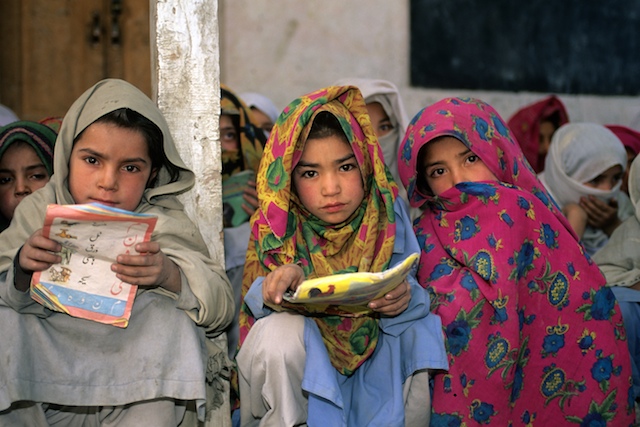
<p><em>The reality of the Shimshal Climbing School is something quite rare, if not non-existent in other parts of Pakistan. In fact, this mountaineering school even allows the active participation of women.</em></p>
<p><em>After the big scare, we dedicated a number of days to the school with theoretical and practical lessons on knots, tying in, anchors, and climbing on ice. New technical equipment supplied by Kong was presented, we watched films on mountains and, thanks to the collaboration of Dr. Marco Cavana, there were lessons on how to intervene in cases of altitude sickness.</em></p>
<p><em>Forty students took part in the lessons. Twelve of these were smiling young women, with curious gazes, rosy complexions and hands roughened by work in the fields and from the bad weather. They were seated before me and I couldn&rsquo;t help but look curiously at their expressions as they tried to understand the use of expansion camming units. I was moved by a feeling of tenderness and hope. Perhaps in the near future one of them will climb K2 and create a new chapter in the history of Pakistani alpinism.</em></p>
<p><em><object width="400" height="225"><param name="allowfullscreen" value="true" /><param name="allowscriptaccess" value="always" /><param name="movie" value="http://vimeo.com/moogaloop.swf?clip_id=10351968&amp;server=vimeo.com&amp;show_title=1&amp;show_byline=1&amp;show_portrait=0&amp;color=&amp;fullscreen=1" /><embed src="http://vimeo.com/moogaloop.swf?clip_id=10351968&amp;server=vimeo.com&amp;show_title=1&amp;show_byline=1&amp;show_portrait=0&amp;color=&amp;fullscreen=1" type="application/x-shockwave-flash" allowfullscreen="true" allowscriptaccess="always" width="400" height="225"></embed></object></em></p>
<p><em>
<p><a href="http://vimeo.com/10351968">4. Shimshal Climbing School - 2010 Pakistan Winter Expedition</a> from <a href="http://vimeo.com/user3379531">Kristoffer Erickson</a> on <a href="http://vimeo.com">Vimeo</a>.</p>
</em></p>
<p>&nbsp;</p>
<p><em>The process for emancipating women in Pakistan started long ago, but the reality is still far from what can be defined as equality. The majority of women in Pakistani society are deprived of fundamental human rights. For now, equality between men and women remains an illusion.</em></p>
<p><em>Only in the last few years have we caught a glimpse of some concrete changes: women study, go to university and, thanks to the Aga Khan Foundation, primarily here in the Baltistan Gilgit region, women can assume defining roles in changing this country.</em></p>
<div><span style="font-family: 'Times New Roman', Arial, Helvetica, sans-serif; font-size: small;"><span><em><br /></em></span></span></div>
<p>&nbsp;</p><p><br/><br/><br/><br/><br/><br/><br/><br/><br/><br/><br/><br/><br/><br/><br/><br/><br/><br/><br/><br/><br/><br/><br/></p>]]></content:encoded></rss:item><rss:item rdf:about="http://kristoffererickson.com/blog/2010/5/7/pakistan-winter-sport-2-of-6.html"><rss:title>Pakistan Winter Sport -2 of 6</rss:title><rss:link>http://kristoffererickson.com/blog/2010/5/7/pakistan-winter-sport-2-of-6.html</rss:link><dc:creator>Kristoffer Erickson</dc:creator><dc:date>2010-05-07T20:43:58Z</dc:date><dc:subject>Climbing Herve Barmasse Pakistan Pakistan Shimshal Valley Skiing</dc:subject><content:encoded><![CDATA[<div></div>
<div>
<p><strong>Pakistan Winter Sport by Herve Barmasse</strong></p>
<p>Once The North Face agreed to sponsor our expedition called &ldquo;Pakistan Winter Sport,&rdquo; I felt happy and motivated for this new adventure. But, at the same time, I felt a great responsibility upon me. Not only did we have the lofty alpine objectives of opening of new ice routes and long descents on skis in unexplored mountains, we sought to embrace humanistic and social motivations. As a mountain guide instructor and rescue specialist my goal was to share this knowledge by teaching at the Shimshal Climbing School. The intention was to help the high-altitude porters in this community progress, both in terms of safety and skills on technical mountain terrain. Furthermore, thanks to the collaboration of Dr. Marco Cavana, we were to organize a clinic to deal with medial problems linked to inadequate sanitation in the area.</p>
<p><object width="400" height="225"><param name="allowfullscreen" value="true" /><param name="allowscriptaccess" value="always" /><param name="movie" value="http://vimeo.com/moogaloop.swf?clip_id=10350852&amp;server=vimeo.com&amp;show_title=1&amp;show_byline=1&amp;show_portrait=0&amp;color=&amp;fullscreen=1" /><embed src="http://vimeo.com/moogaloop.swf?clip_id=10350852&amp;server=vimeo.com&amp;show_title=1&amp;show_byline=1&amp;show_portrait=0&amp;color=&amp;fullscreen=1" type="application/x-shockwave-flash" allowfullscreen="true" allowscriptaccess="always" width="400" height="225"></embed></object></p>
<p><a href="http://vimeo.com/10350852">2. Land Slide - 2010 Pakistan Winter Expedition</a>&nbsp;from&nbsp;<a href="http://vimeo.com/user3379531">Kristoffer Erickson</a>&nbsp;on&nbsp;<a href="http://vimeo.com">Vimeo</a>.</p>
<p><strong>The Pakistani Winter, Shimshal and its porters</strong></p>
<p><strong><em>Shimshal Valley, 20 January 2010</em></strong></p>
<p><em>We are only the fifteenth winter-alpine expedition in the history of Pakistan. I&rsquo;m accompanied by alpinist Eneko Pou, photographer and alpinist Kristoffer Erickson, journalist and alpinist Oscar Gogorza and Dr. Marco Cavana. We are in the North, in the Baltistan Gilgit region, close to Afghanistan, near the border with China.</em></p>
<p><em>Unlike the summer, when fields of grain, trees and green pastures contrast the brown color of the rock and dry land, everything is now gray. It seems to us like a black and white film. It is even cold at low altitudes and above 1600 meters it&rsquo;s completely frozen.</em></p>
<p><em>We creep along in our Jeep on a bumpy, disjointed road similar to a mule&rsquo;s paths. The access road to the town of Shimshal was literally ripped into the mountain, thanks to the will power of its inhabitants. It was constructed without mechanical means over 23 years of hard work with a pick and shovel. This spectacular off-road adventure alone justifies a trip to Pakistan.</em></p>
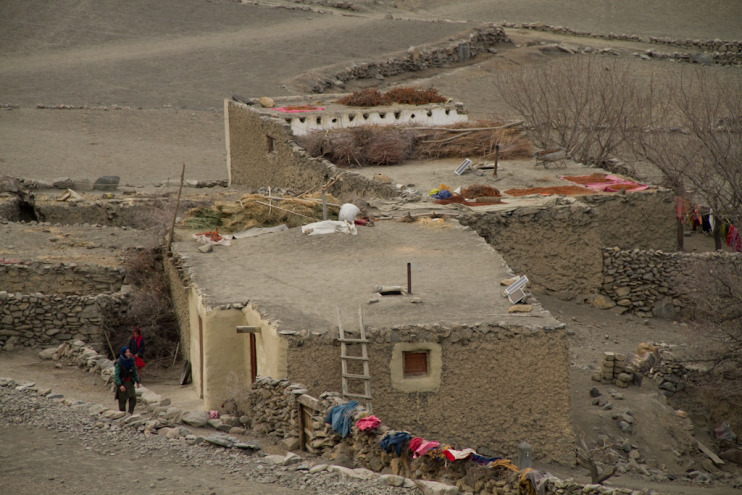
<p><em><span class="full-image-float-right ssNonEditable"><span><img style="width: 300px;" src="http://kristoffererickson.com/picture/ericksonk_pakistan_2010-1132.jpg?pictureId=5201039&amp;asGalleryImage=true&amp;__SQUARESPACE_CACHEVERSION=1273266125577" alt="" /></span></span>Shimshal is a village of 2000 people, which has remained nearly completely isolated from the rest of Pakistan for 600 years. Although maintaining the Ishmaelite tradition, these people seem less rigid and more open than other muslims of the Pakistani mountains. Even the women allow this feeling to hold true when they respond to our waves with a smile. In the village there is no running water, no telephones or televisions. Only a few families have installed small solar panels that guarantee one meager light for three hours at a time during the long winter nights.</em></p>
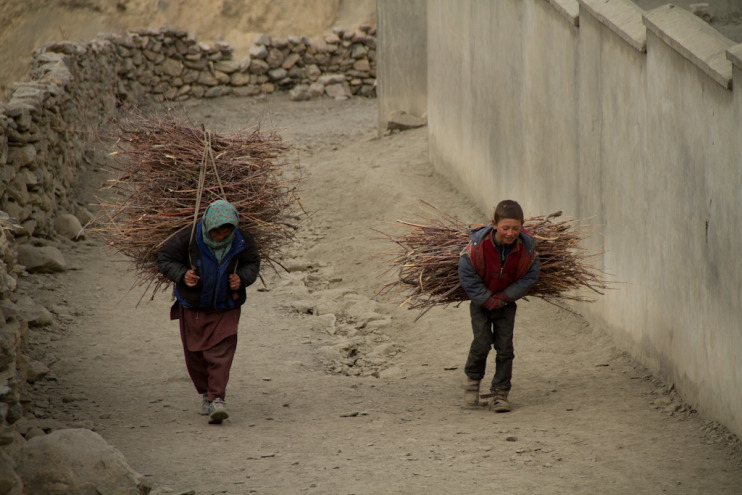
<p><em>There are three mosques and a school where students go after having gathered wood, which, here in Pakistan, is quite rare. All the students learn English and those who can afford it, at the age of 17, will continue their studies in Gilgit. There are no doctors and the nearest hospital (now you can get there in an hour, before the construction of the road it took six days) is in Gulmit, where a general practitioner oversees all the emergencies without the use of &ldquo;sophisticated&rdquo; medical equipment.</em></p>
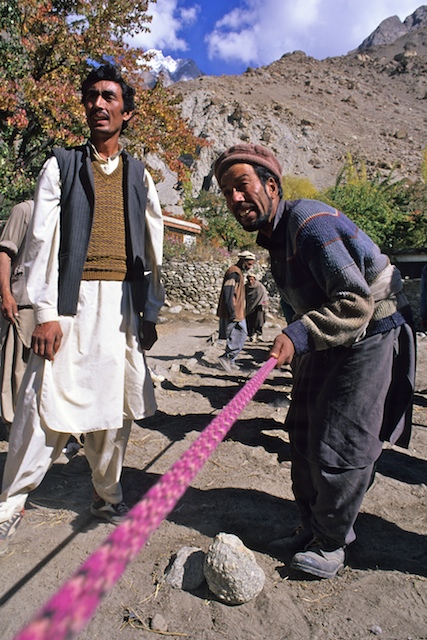
<p><em>The community is very united and the inhabitants help each other as in a big family. Any problem is a problem for Shimshal and not for one single person.</em></p>
<p><em>Potatoes, rice, chapatti, dal, peas and beans are preciously rationed to make sure that they aren&rsquo;t left without supplies before the next replenishment. Once in a while they get to eat goat or yak meat. Unlike the summer, there are not chickens because they wouldn&rsquo;t survive the harsh temperatures of the winter months. The yak is also a characteristic of Shimshal. It is rare to encounter these animals in Pakistan but in the Shimshal valley, along the border with China, thousands of them exist in the wild.</em></p>
<p><em>The &ldquo;malida&rdquo; (chapatti, cheese, butter and salt), the &ldquo;graal&rdquo; (chapatti, spices, butter and salt) or the &ldquo;chalpindook&rdquo; (chapatti and cheese) are considered dishes of the poor in Pakistan and are typical of this region. They are eaten nearly everyday.<br /></em></p>
<p><em>The temperature during the five winter months is consistently well below zero&mdash;from minus 12 to minus 20. Even inside around the hearth, it rarely gets above 5 degrees. During the winter, the landscape and it&rsquo;s people patiently await the summer in the same way our ancestors did in the Alps, hundreds of&nbsp; years ago.</em></p>
<p><em><span class="full-image-float-left ssNonEditable"><span><img style="width: 300px;" src="http://kristoffererickson.com/picture/ericksonk_pakistan_2010-1155.jpg?pictureId=5201041&amp;asGalleryImage=true&amp;__SQUARESPACE_CACHEVERSION=1273265719902" alt="" /></span></span>Every house has a particular structure featuring a single room with a wood stove in the center and an opening in the roof. Each home welcomes the entire family: grandparents, parents and children. In the same room they cook, sleep and live their daily lives for generations. For the inhabitants of Shimshal the winter days always pass by in the same manner. In the morning the women prepare breakfast with tea and milk with chapatti dipped in melted butter. Before going to school the daughters go and collect wood or water. A spring, the only one that is not frozen, guarantees drinking water to the entire village. All day long women patiently wait their turn to fill their water jugs. The men build and maintain the houses, cut wood, put up the walls and await the summer to work as porters and high-altitude porters. In the village of Shimshal more than 40 people have climbed a mountain of 8000 meters and Rajab Shan, the only Pakistani to have climbed all of the 8000-meter peaks of the Karakorum was born here. He is considered a real hero in all of Pakistan.</em></p>
<div><span style="font-family: 'Times New Roman', Arial, Helvetica, sans-serif;"><span style="font-size: x-small;"><em><br /></em></span></span></div>
</div>]]></content:encoded></rss:item><rss:item rdf:about="http://kristoffererickson.com/blog/2010/4/20/pakistan-winter-sport-1-of-6.html"><rss:title>Pakistan Winter Sport - 1 of 6</rss:title><rss:link>http://kristoffererickson.com/blog/2010/4/20/pakistan-winter-sport-1-of-6.html</rss:link><dc:creator>Kristoffer Erickson</dc:creator><dc:date>2010-04-20T22:08:19Z</dc:date><dc:subject>Climbing Pakistan Pakistan Shimshal Valley Skiing</dc:subject><content:encoded><![CDATA[<p>Sa'eeda&nbsp;from Marrakech!</p>
<p>I just got down from an incredible ski traverse of the High Atlas Mountains.</p>
<p>My team was an international group of friends working on two different film projects. Representing the States we had Kim Havell and myself, from Canada we had Chris Rubens and Dave Mossop and from France Jordi Montserrat. Dave was the lead filmer for our group covering a segment for next years Salomon Freeski.tv and for the next film put out from the Rocky Mountain Sherpas. We spent 10 days linking six 4,000 meter peaks with some great ski runs across several valley miles of terrain. We finished the odyssey in the village of Zawiyat Ahansal where I said goodbye to my friends and I stayed in the village with my wife Cloe and my daughter Noor. We are now back in Marrakech enjoying our time together taking in the incredible history and culture of this ancient crossroads city.</p>
<p>Unfortunately we have little time to sight-see as Cloe is finishing this season's work on the igherm restoration project in Zawiyat Ahansal in the Central High Atlas. And me? Well I'm loving every second with Cloe and Noor before headed in early May to Norway's Svalbard Islands at over 80 degrees north in the Arctic Ocean. EmiloPrevitali, Jamie Laidlaw and I will explore the fjords of this northern arctic land of 24 hr sunlight in search of first descents! Our only hope now is that the prevailing continental winds pick up and clear out the ash plume from the Ejfjallajokul volcano. Inshallah!</p>
<p>I'm in the middle of editing the photos and will be posting more on the High Atlas traverse but first I wanted to share some stories from my recent North Face winter climbing and ski trip to Shishmal, Pakistan with Herve Barmasse from Valle de Aosta in Italy and Eneko Pou from the Basque country of Spain, and two other friends Oscar Gogorza also from Spain and Marco Cavana from Italy.&nbsp;</p>
<p>Visiting this remote northern village, near China and surprisingly close to Afghanistan, was a rare opportunity to travel back in time to a community and culture that remains largely untouched by the political chaos surrounding them. Shimshal is one of the great mountain towns of the world and home to many of the high altitude porters that are so critical to every expedition throughout the Karakorum. We were fortunate to be able to spend time teaching advanced climbing and mountain rescue techniques at the local climbing school to not only men but women as well!</p>
<p>The trip was complicated by a tremendous landslide that completely blocked the Hunza River, cutting off our village from the rest of the world. At the end of the trip, as the weather deteriorated, the helicopters provided by the Aga Khan foundation couldn't fly and we waited and waited and even tried in vain to forge an alternative path around the lake and over what proven to be impassable terrain. As I write this, engineers are trying to find a way to release the waters that are rising over 2 feet per day in order to avert what could be a natural disaster of tremendous magnitude for tens of thousands of residents downstream.</p>
<p>Being the one behind the camera most of the time, I'll leave the words to Herve along with some video clips from this once-in-a-lifetime experience. This short clip is the first of several I'll be posting from the Shimshal experience as I can find the bandwidth to get them uploaded from here in northern Africa.</p>
<p>Enjoy and let me know what you think!</p>
<p>&nbsp;</p>
<p><object width="400" height="225"><param name="allowfullscreen" value="true" /><param name="allowscriptaccess" value="always" /><param name="movie" value="http://vimeo.com/moogaloop.swf?clip_id=10354645&amp;server=vimeo.com&amp;show_title=1&amp;show_byline=1&amp;show_portrait=0&amp;color=&amp;fullscreen=1" /><embed src="http://vimeo.com/moogaloop.swf?clip_id=10354645&amp;server=vimeo.com&amp;show_title=1&amp;show_byline=1&amp;show_portrait=0&amp;color=&amp;fullscreen=1" type="application/x-shockwave-flash" allowfullscreen="true" allowscriptaccess="always" width="400" height="225"></embed></object></p>
<p><a href="http://vimeo.com/10354645">1. Arrival - 2010 Pakistan Winter Expedition</a> from <a href="http://vimeo.com/user3379531">Kristoffer Erickson</a> on <a href="http://vimeo.com">Vimeo</a>.</p>
<p>&nbsp;</p>
<p>Ma'a Salaama for now,</p>
<p>Kris, Cloe and Noor</p>]]></content:encoded></rss:item><rss:item rdf:about="http://kristoffererickson.com/blog/2010/1/14/departure-shimshal-valley-pakistan.html"><rss:title>Departure: Shimshal Valley, Pakistan</rss:title><rss:link>http://kristoffererickson.com/blog/2010/1/14/departure-shimshal-valley-pakistan.html</rss:link><dc:creator>Kristoffer Erickson</dc:creator><dc:date>2010-01-14T16:21:44Z</dc:date><dc:subject>Climbing Eneko Pou Herve Barmasse Pakistan Pakistan Shimshal Valley Skiing The North Face ice climbing ski mountaineering</dc:subject><content:encoded><![CDATA[<p>Along with The North Face Athletes Herve Barmasse and Eneko Pou I will travel to the Shimshal Valley of Pakistan on January 17 where we will spend three weeks exploring this region's virgin ice climbing and ski mountaineering potential.&nbsp; I will be documenting the trip for The North Face in both still photo and video format.</p>
<p>My cameras are in hand and ready for another adventure...</p>
<p><strong>The North Face Expedition Press Release</strong></p>
<p>&ldquo;Every stone, every possible ice line and snow descent will be the aim of the North Face athletes,&rdquo; says expedition leader Herve Barmasse, of this winter-sports exploration of the Shimshal Valley and it&rsquo;s surrounding peaks in the Karakoram Range of northern Pakistan. Few climbers have visited this region of Baltistan in the cold season, but those who have trekked there in summer report spectacular waterfalls gushing down from the high peaks. In winter, these waterfalls will be frozen, offering enormous potential for first ascents on ice and mixed terrain. Equally untapped is the opportunity for exploration by ski and snowboard, in powder-filled couloirs and on the flanks of peaks as high as 7000 meters. They&rsquo;ll even be on the lookout for bouldering around their glacier-based camps.</p>
<p><span class="full-image-block ssNonEditable"><span><img src="http://kristoffererickson.com/storage/PK_2280.jpg?__SQUARESPACE_CACHEVERSION=1263486449680" alt="" /></span></span></p>
<p>Integral to this quest for pushing the limits of alpine sports is the desire to interact with the Balti villagers who inhabit these mountains. A hamlets of subsistence farmers, the Shimshal valleyis a place where people exist&nbsp; as close as one can to the earth and have lived this way of life for centuries. These Islamic folk have mastered the art of surviving the sub-zero Karakoram winters, and Herve&rsquo;s team hope to learn from them. The team intends to offer something in return as well, by resuming the work of the Shimshal Climbing School, which North Face athlete Simone Moro started in 2008. This school teaches modern mountaineering skills to the local villagers who frequently work as high-altitude porters on climbing expeditions, and Herve and team will provide a training course during their visit.</p>
<p><span class="full-image-block ssNonEditable"><span><img src="http://kristoffererickson.com/storage/PK_675.jpg?__SQUARESPACE_CACHEVERSION=1263486417910" alt="" /></span></span></p>
<p>This international team presents a unique array of talents. Herve Barmasse is a famous guide and alpinist from Italy, whose ascents in Patagonia are legendary; Kris Erickson, from the US state of Montana, is an alpinist, ice climber and big-mountain skier whose documentary work has appeared in publications worldwide; and, Eneko Pou is one of Spain&rsquo;s top sport climbers, recently completed a quest to free climb a big wall on each of the seven continents.</p>
<p>﻿</p>]]></content:encoded></rss:item><rss:item rdf:about="http://kristoffererickson.com/blog/2009/11/14/skiing-in-the-far-far-west-of-nepal.html"><rss:title>Skiing in the Far, Far, West of Nepal</rss:title><rss:link>http://kristoffererickson.com/blog/2009/11/14/skiing-in-the-far-far-west-of-nepal.html</rss:link><dc:creator>Kristoffer Erickson</dc:creator><dc:date>2009-11-14T21:27:56Z</dc:date><dc:subject>Nepal Skiing</dc:subject><content:encoded><![CDATA[<p>I recently returned from six weeks traveling in one of the most remote corners of Nepal with skiers Jamie Laidlaw and Kip Garre, and freelance writer Devon O&rsquo;Neil. Our plan was to attempt an alpine style ascent and premier ski mountaineering descent of our permitted virgin peak. I was looking for an experience that would take everything I had learned during my past trips to Nepal but I had no idea of the challenges that were ahead of us.</p>
<p>&nbsp;<span class="full-image-block ssNonEditable"><span><img src="http://kristoffererickson.com/storage/Erickson_20090930-ECG_0469.jpg?__SQUARESPACE_CACHEVERSION=1258234062535" alt="" /></span></span></p>
<p>The Bajhang District is located in what Nepali people call the &ldquo;far, far, west&rdquo; and borders India and Tibet. We had very limited and rough information about what mountains were in the area and what had been explored previously was even less known. Less than half a dozen expeditions had visited the region in the forty years since the highest peak Mt. Saipal was climbed. The mountains we visited were lower and more obscure, 5-6000m mountains that were mostly unnamed on maps. When the Nepalese ministry issued us our expedition permit they asked us for our caravan route showing that they also knew very little about this group of peaks within the region and had no idea of how we were suppose to arrive to the permitted mountain.</p>
<p>&nbsp;<span class="full-image-float-right ssNonEditable"><span><img style="width: 300px;" src="http://kristoffererickson.com/storage/Erickson_20090927-ECG_0332.jpg?__SQUARESPACE_CACHEVERSION=1258234260207" alt="" /></span></span></p>
<p>In the past few years Bajhang has recently returned to peaceful times after enduring ten long years of continuous conflict with Maoists. Despite the Maoists&rsquo; hostilities against the government&rsquo;s military, many people in this poor region supported their cause to bring more equality to the poor. It goes without saying that tourism in the region is something that doesn&rsquo;t exist.&nbsp;</p>]]></content:encoded></rss:item><rss:item rdf:about="http://kristoffererickson.com/blog/2009/9/22/saipal-nepal.html"><rss:title>Saipal, Nepal</rss:title><rss:link>http://kristoffererickson.com/blog/2009/9/22/saipal-nepal.html</rss:link><dc:creator>Kristoffer Erickson</dc:creator><dc:date>2009-09-22T15:50:05Z</dc:date><dc:subject>Skiing</dc:subject><content:encoded><![CDATA[<p>Kip Garre, Jamie Laidlaw, Devon O'Neil and myself are setting off to explore the Saipal region of Nepal.&nbsp; Thanks to The North Face for sponsoring our adventure.&nbsp; We plan to explore and ski some of the many unclimbed mountains of this remote region of Nepal.&nbsp; Stay tuned for updates...</p><p><br/><br/><br/><br/><br/><br/><br/></p>]]></content:encoded></rss:item><rss:item rdf:about="http://kristoffererickson.com/blog/2009/9/20/mt-rainier-and-adams-link-ups.html"><rss:title>Mt. Rainier and Adams Link-ups</rss:title><rss:link>http://kristoffererickson.com/blog/2009/9/20/mt-rainier-and-adams-link-ups.html</rss:link><dc:creator>Kristoffer Erickson</dc:creator><dc:date>2009-09-20T14:24:49Z</dc:date><dc:subject>Skiing</dc:subject><content:encoded><![CDATA[<p>On July 11th my partner Jamie Laidlaw and I ascended the north facing Adams Glacier route on Mt. Adams in Washington.</p>
<p><span class="full-image-block ssNonEditable"><span><img style="width: 400px;" src="http://kristoffererickson.com/storage/2009_07-15_Erickson_Cascades_%20364.jpg?__SQUARESPACE_CACHEVERSION=1253458276340" alt="" /></span></span></p>
<p>We had originally planned to ski one route but found ourselves on the summit with hours to burn before conditions softened on the northern aspect. Instead of waiting, we chose to descend the southwest chutes furthering our skiing enjoyment for the day. Conditions were mixed on the southwest chutes with sections of fun skiing where the bumps had been beaten down by other skiers. At approximately 7000ft we stopped, re-hydrated and started back up to the summit. Upon reaching the summit it was nearly 6 pm and by now the conditions on the northern aspects had softened to what we had hoped for.</p>
<p><span class="full-image-block ssNonEditable"><span><img style="width: 400px;" src="http://kristoffererickson.com/storage/2009_07-15_Erickson_Cascades_ 474.jpg?__SQUARESPACE_CACHEVERSION=1253456608646" alt="" /></span></span></p>
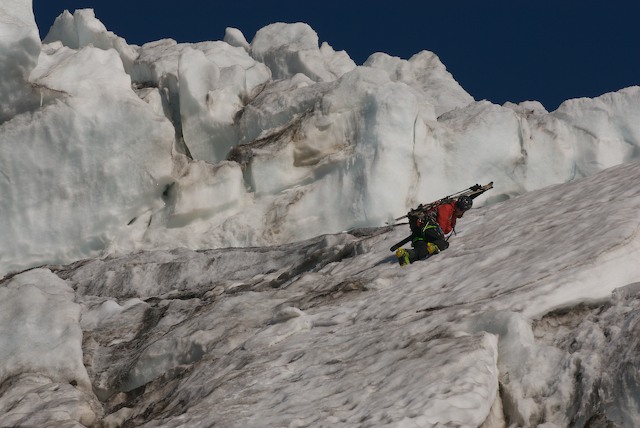
<p>Descending the Adams Glacier we skied all but one small section (30m), which required down climbing to bypass a 70 degree ice section. The lower aspect of the face was a bit dirty but still soft and provided enjoyable turns. We walked back into our camp 13 hours after leaving having made a descent of both the SW Chutes and the Adams Glacier that day. Spectacular experience.</p>
<p>The next day we hiked out and jumped in the car heading north for Rainier. Inspired by a post of Sky's on turns-all-year.com from the 3rd of July about the Mowich Face we drove to the northern side of the peak where we found the road to Mowich Lake still closed. On the afternoon of the 13th we hiked into the Spray Park area and bivied for our first night. The next day we continued higher on the Mowich Glacier where we found a nice bivi at approx 8000ft.</p>
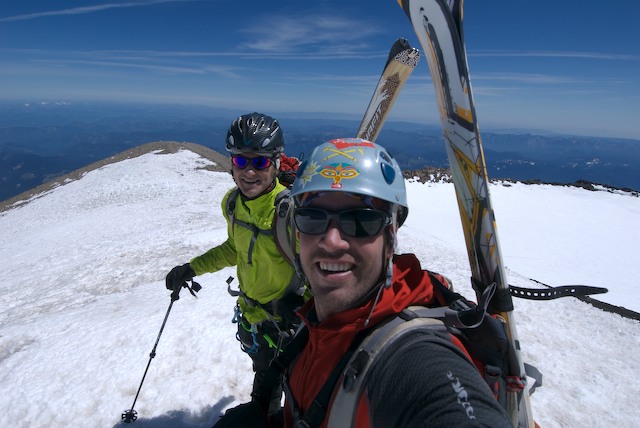
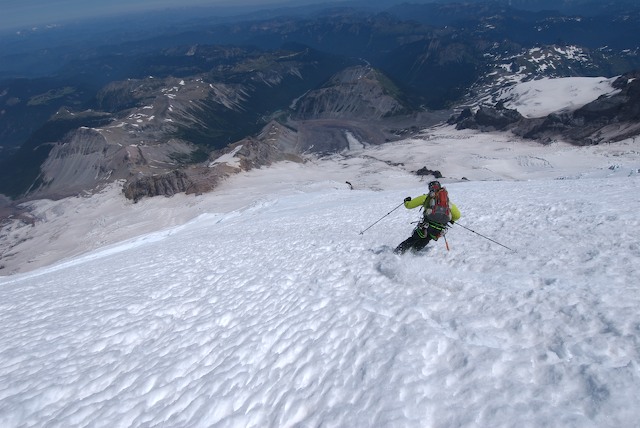
<p>The morning of the 15th we woke at 4 am to start what would become our second two-fer of the tour. Conditions were perfect for cramponing up the Edmunds Headwall and everything seemed to be going as planned until we reached the upper plateau of the Liberty Cap where our pace began to crawl due to horrendous penitentes that stood nearly three feet tall in places. Eventually the terrain gave way to smooth conditions and we ramped up to the true summit.</p>
<p><span class="full-image-block ssNonEditable"><span><img style="width: 400px;" src="http://kristoffererickson.com/storage/2009_07-15_Erickson_Cascades_ 493.jpg?__SQUARESPACE_CACHEVERSION=1253456633470" alt="" /></span></span></p>
<p><span class="full-image-block ssNonEditable"><span><img style="width: 400px;" src="http://kristoffererickson.com/storage/2009_07-15_Erickson_Cascades_ 959.jpg?__SQUARESPACE_CACHEVERSION=1253456684382" alt="" /></span></span></p>
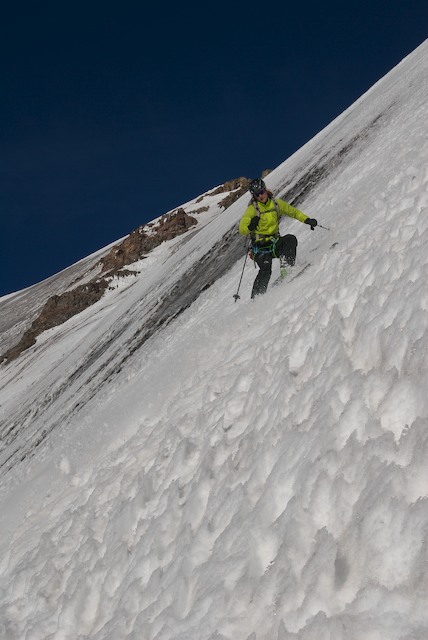
<p>With brisk winds blowing across the summit, we quickly made the call to give the second two-fer a go with a descent of the Emmons Glacier to start things off. Conditions began to soften at nearly 13,500ft and the Corridor provided the best skiing of the day. Sherman Flats has suffered in the summer sun and conditions are a bit bumpy but until that point the skiing on the Emmons was great. Around 2:30pm we started climbing back up the Emmons Glacier, reaching the summit of Liberty Cap at approximately 6:30pm. It was blowing hard and creating freezing conditions and due to our lightweight efforts we needed to keep moving in order to stay warm. Again we battled the massive penitentes on the summit plateau that leads to the top of the Edmunds Headwall.&nbsp; Walking down this section wasn&rsquo;t what we had planned to do but skiing was out of the question. Eventually reaching the top of the shoulder we could begin the ski descent of the Edmunds Headwall. There was only one small chute still skiable on far lookers right side. The chute was mostly soft ice by the time we descended with incredible exposure falling away to the Edmunds Headwall. Once through the small chute the terrain opened up to the large headwall but the skiing remained steep with more of a crushed ice layered over the hard glacial ice below.</p>
<p><span class="full-image-block ssNonEditable"><span><img style="width: 400px;" src="http://kristoffererickson.com/storage/2009_07-15_Erickson_Cascades_ 1016.jpg?__SQUARESPACE_CACHEVERSION=1253456661606" alt="" /></span></span></p>
<p>The majority of the main headwall was in great condition providing fun turns down to what we deemed the &ldquo;quad schrund.&rdquo; Four Bergschrunds provided an interesting exit to the headwall, still skiable but requiring special avoidance to the recent rocks laying on top of the snow. They weren&rsquo;t the best turns of the trip but the experience of skiing in summer isn&rsquo;t typically about the best snow . Once back on the glacier we quickly descended with sweeping turns on the lightly browned surface back to our high camp arriving again approximately 13 hours after leaving. Looking back at the Mowich Face we were knackered to say the least. Skiing two features in a day on Rainier had pushed us over 22,000ft of vertical in two days of skiing, not bad for the middle of July without having to lap the same feature.</p>
<p>The next morning we lounged long and hard enjoying numerous cups of strong coffee before skiing 2000ft down to the base of the Mowich Glacier and Ptarmigan Ridge. We ascended back to the volcano monitoring station on top of the ridge were the Flett Glacier provided our last turns of the tour. 2000 more feet and we were in the flowered meadows of Spray Park. Over 25,000 ft of skiing left us tired but the experience couldn&rsquo;t have been better, who would have thought July skiing could have been so great!</p>
<p><span class="full-image-block ssNonEditable"><span><img style="width: 400px;" src="http://kristoffererickson.com/storage/2009_07-15_Erickson_Cascades_ 1118.jpg?__SQUARESPACE_CACHEVERSION=1253456726982" alt="" /></span></span></p><p><br/><br/><br/><br/><br/><br/><br/><br/><br/><br/><br/><br/><br/><br/><br/><br/><br/><br/><br/><br/><br/><br/><br/><br/><br/><br/><br/><br/><br/><br/><br/><br/><br/><br/><br/><br/><br/><br/><br/><br/><br/><br/><br/><br/><br/><br/><br/><br/><br/><br/><br/><br/><br/><br/><br/><br/><br/></p>]]></content:encoded></rss:item></rdf:RDF>