10 tips for Traveling with an Infant
 Thursday, March 31, 2011 at 10:24AM Kristoffer Erickson
 Ten tips for traveling with an infant or toddler in the developing world.
I am someone that needs adventure on a continual basis and I didn’t want having children put a clamp on my freedom to roam. When my wife, Cloe, and I decided to have a child, we accepted the fact that there would be changes, but we wanted to continue to experience the world and its unique locations. From the time our daughter, Noor Amina now 24 months, was three months old we have been traveling and spending long periods of time in the developing world as a family, mostly Morocco where Cloe is working on rural community development projects, www.igherm.wordpress.com. Genevieve Reid, our daughter’s pediatrician and founder of Global Midwife Education Foundation (www.midwifeeducation.org), has continually given us sound advice prior to all of our travels with Noor. Through our collective experiences we compiled the following tips. We hope they help and encourage you. Travel in the developing world is something you can still do with your child. It is time to pack your bags.
1) Before deciding where you want to go make sure to avoid any area where Malaria is common. As a general rule if your child is under the age of five Malaria is something you need to avoid at all costs. A quick visit to the Center for Disease Control’s (www.cdc.gov) website and you will be up to date on the current areas of concern. Also when choosing the itinerary think about how your connection will affect your child and you. Meals and sleep are incredibly simple ways to keep the wheels from falling off and the difference in a ticket that is a little more expensive but with far less stops could mean a great deal to the travel experience. If at all possible try to make your itinerary with the least number of transitions. These all increase the number of hours you will be traveling which only add difficulty to your child’s adjustment.
2) When packing for the trip, learn to do more with less. This rule applies to just about every item associated with your child. Clothes can be wore more than one day. One good pair of shoes is far better than several that match different outfits. Find a few key toys that can provide multiple forms of interaction such as colors and shapes integrated into puzzles. Be prepared with everything you may need in a small daypack that is ready to access. Make sure you have multiple choices of snacks not only for your child but you. Airline service isn’t worth much these days so don’t count on them to provide you and your child with what you need. Even milk is often not available so think about a small zip lock bag of powdered milk to reduce weight and bulk. Also consider this may be your child’s first time on an airplane so Anti Nausea meds are a good idea. Bring favorite toys for comfort and something new for a surprise. Depending on the length of the travel two changes of clothes might be necessary for your child. Also bring plenty of diapers and wipes along with a few extra plastic grocery bags to contain any messy clothes or items you many not want to dispose of during the flight.
3) Traveling with a baby that is still breastfeeding is much easier than you may think. There is no need to sterilize bottles or sippy cups, or pack formula or milk. Breastfeeding also dramatically reduces the risk of infection. If your child is no longer breastfeeding make sure you bring formula from the States, as most developing countries will not have high quality products to choose from. If your child is old enough to eat solid foods make sure all fruits and vegetables are washed in a bleach solution or thoroughly cleaned and peeled. All well cooked meats, breads and grains are generally safe.
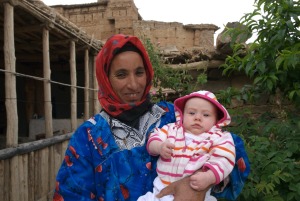
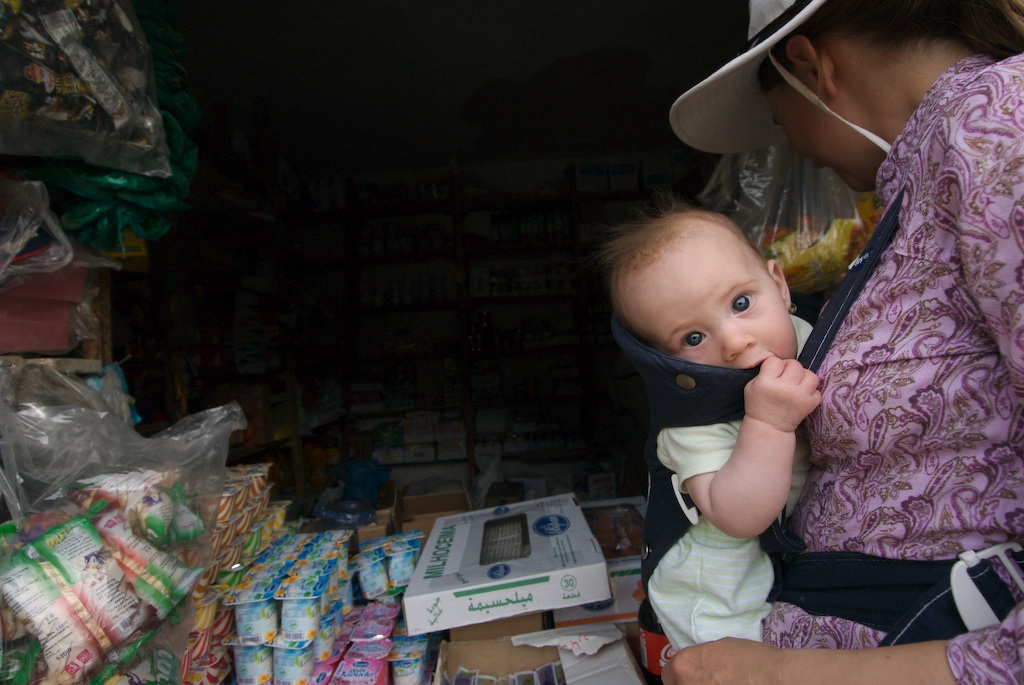
4) Remember that babies are everywhere so most items are available in any major city of the world and it makes a great adventure wandering through the streets and local shops to find them. Items like sunscreen, formula, car seats, infant Tylenol and Ibuprofen, and quality shoes should always be brought from home. However, diapers, clothes, pack-n-plays, and even strollers can often be found easily and at a low cost.
5) When you reach your final destination make sure you give your child time to adjust to the new time zone. I find that spending more time in one or two places rather than traveling to ten will make the experience easier for all. When traveling to the Americas this is less of a concern since the time zones are similar to those of the US. When traveling to Africa, Asia or Europe plan on at least two to three days where the sleep schedule will be off. These days are not a complete loss; just maintain flexibility to allow for odd napping schedules. A good general rule would be a half-day of adjustment for every time zone you cross. As an example, when traveling to Morocco from Montana we pass though six time zones. We usually spend three days in our arrival city of Marrakech to transition and to also purchase supplies that we need before moving on to our final destination of a remote village in the Central High Atlas Mountains.
6) If your plans include travel where you will have access to a rental car or will be spending time in vehicles like 4x4’s, make sure you bring a car seat. All airlines allow you to check this item for free and they are not an easy or inexpensive item to find in the developing world. Most illnesses can be handled with prevention, but trauma from a car accident could mean life and death.
7) Make sure you have a good system for both parents to carry the child. Often a stroller will not work in the developing world because the terrain is too rough so think about investing in a backpack that allows you and your partner to both comfortably carry your child plus all the items he or she will need for the outing you have planned. Depending on the child’s age and comforts some prefer more of a simple wrap which is significantly lighter. We’ve found the modern child carrier backpack to be an essential item for allowing the family to get off the beaten path. We travel with the Sherpani Rumba backpack that has an adjustable back panel to accommodate tall and short parents.
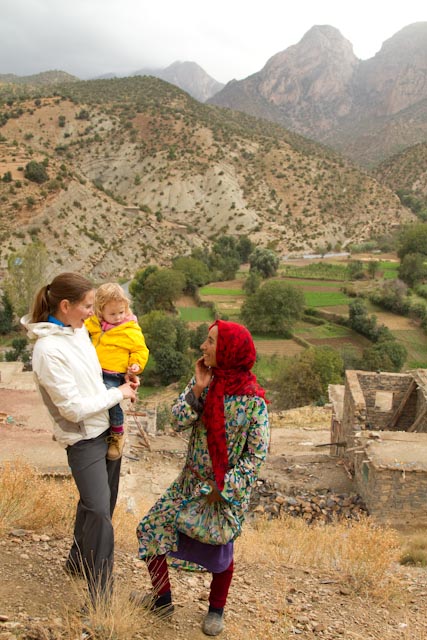
8) Sippy cups are an important part of keeping your child hydrated and you clean during long travel. Even in cool climates, bacteria can quickly grow in the cup’s small crevasses and gaskets causing diarrhea or an upset stomach. When on the road bring one sippy that is designated for water and two more for milk and/or juice. When you reach your final destination wash the cups with local water and soap then soak all of the individual parts of the cups in a Tupperware or bowl with a solution of bleach water. Throughout the day wash and rotate the cups in the bleach solution never reusing a cup that has had milk or juice in it. We travel with a MSR Miox water treatment system, which creates a hydrochloric acid solution to purify the water. The device is lightweight and portable using only rock salt and CR123 batteries, which can be found at most generic camera shops throughout the developing worls. You can quickly mix up a large batch of clean water to wash fruits and vegetables, eating utensils, or just about anything that needs a cleaning.
9) Serious illness in young children from travel is very rare but think ahead and identify where you can find care if you did need it. Fortunately most cities in the world will have fully trained medical professionals that speak some English. Blue Cross Blue Shield has a comprehensive internet listing of private clinics throughout the world. Also think about Global Rescue insurance incase you do have a major problem that requires evacuation or that would be better handled in a first world nation. A comprehensive Medical kit as well as the knowledge to use it will provide you with more confidence to take on the worst of the situations. Before you make any plans to travel first consult your pediatrician regarding specific concerns in the region and check with the Center for Disease Control on vaccinations or special concerns like Malaria. If your infant or toddler under two years of age does develop diarrhea medicine is often not the best solution. Simple oral rehydration solutions, that you can make from common kitchen ingredients or find in any pharmacy in the world, are your best defense against dehydration due to diarrhea or vomiting. Make sure you know the correct dosage for Ibuprofen or Tylenol and any Antibiotics you plan to travel with.
10) Last but not least remember to pack a lot of patience. It’s not easy traveling in the developing world as an adult and the difficulties are guaranteed to be greater with an infant or toddler. But, remember you are there to have fun and provide an enriching experience to yourself and your child. We have found that traveling as a family opens new doors that previously never appeared. People around the world love children and understand the difficulties of traveling with them so don’t be surprised if people want to help with your child or luggage.